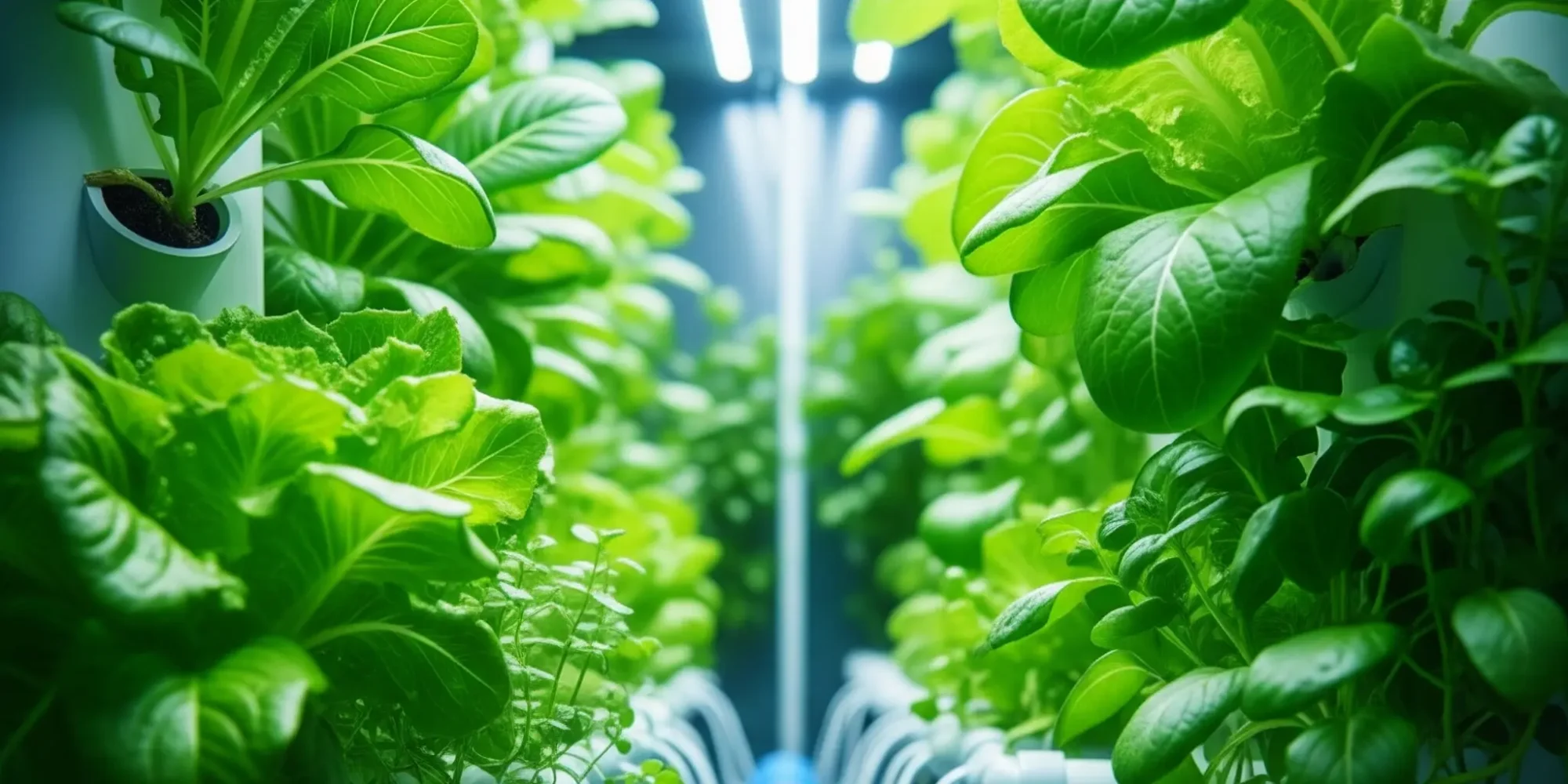
Imagine growing luscious tomatoes, crisp lettuce, and fresh herbs year-round without a single grain of soil. Sound impossible? Welcome to the fascinating world of organic hydroponics, where sustainable farming meets cutting-edge technology to create a growing revolution that’s reshaping how we think about agriculture.
You might be wondering: “Can something grown without soil really be considered organic?” It’s a question that’s been sparking heated debates in farming communities worldwide. The answer is more nuanced than you might think, and by the end of this guide, you’ll understand exactly why USDA organic certification is not only possible for hydroponic systems but is becoming increasingly popular among sustainable growers.
Understanding Organic Hydroponics: Breaking Down the Basics
Let’s start with the fundamentals. Organic hydroponics combines the efficiency of soil-free growing with the sustainability principles of organic farming. Instead of relying on synthetic fertilizers, organic hydroponic systems use naturally derived nutrients that meet strict organic standards.
The beauty of this approach lies in its precision. While traditional organic farming depends on soil microorganisms to break down organic matter, hydroponic systems deliver nutrients directly to plant roots in their most usable form. This means faster growth, higher yields, and more efficient resource use – all while maintaining organic integrity.
What Makes Hydroponics “Organic”?
For a hydroponic system to earn organic certification, it must meet the same rigorous standards as soil-based organic farms. This includes using only approved organic inputs, avoiding synthetic pesticides, and maintaining detailed production records. Recent studies from Ohio State University demonstrate that organic hydroponic systems can achieve comparable growth rates to conventional methods while providing additional ecological benefits.
The key components of organic hydroponic systems include:
- Organic-approved growing media: Coconut coir, perlite, vermiculite, and rockwool alternatives
- Natural nutrient solutions: Derived from fish emulsion, kelp meal, compost teas, and other organic sources
- Biological pest control: Beneficial insects and organic-approved treatments
- Certified organic seeds: Non-GMO varieties that meet organic standards
The Science Behind Organic Nutrient Solutions
Creating effective organic nutrient solutions requires understanding how plants absorb nutrients and how organic compounds break down in water-based systems. Unlike synthetic fertilizers that provide immediately available nutrients, organic sources must undergo mineralization processes to become plant-available.
This is where things get interesting. Research has shown that specific ratios of organic mediums can lead to growth rates comparable to chemical fertilizers while being less energy-intensive to produce and providing environmental benefits by diverting food waste.
| Nutrient Source | Primary Benefits | NPK Ratio | Application Method |
|---|---|---|---|
| Fish Emulsion | Quick nitrogen release, trace minerals | 5-1-1 | Liquid feed, weekly application |
| Kelp Meal | Growth hormones, potassium boost | 1-0-2 | Compost tea, bi-weekly |
| Bat Guano | Balanced nutrition, soil biology | 10-3-1 | Tea preparation, monthly |
| Worm Castings | Gentle release, beneficial microbes | 1-1-1 | Liquid extraction, continuous |
Nutrient Solution Preparation and Management
Preparing organic nutrient solutions requires patience and precision. Start by creating base teas from your organic materials 24-48 hours before application. This allows beneficial microorganisms to multiply and organic compounds to break down into plant-available forms.
Monitor your solution’s pH levels regularly – organic systems typically operate best between 5.5-6.5 pH. Unlike synthetic systems where pH adjustments are straightforward, organic solutions require buffering with natural acids like citric acid or organic pH-up products.
USDA Organic Certification for Hydroponic Systems
One of the most common misconceptions about organic hydroponics is that it can’t be certified organic. This simply isn’t true. Currently, hydroponic farms can grow and sell their produce as organic if they meet OFPA criteria and receive certification from a USDA-accredited third-party organization.
The certification process involves several key steps:
- System Design Review: Your hydroponic setup must demonstrate compliance with organic standards
- Input Documentation: All nutrients, growing media, and pest control materials must be organic-approved
- Record Keeping: Detailed logs of all inputs, harvests, and system maintenance
- Annual Inspection: On-site verification by certified organic inspectors
- Transition Period: Some components may require a waiting period before organic certification
Setting Up Your Organic Hydroponic System
Ready to dive into organic hydroponic growing? Let’s walk through the essential components and setup process that will get you started on the right foot.
Choosing the Right System Type
Different hydroponic systems work better for organic growing than others. Deep Water Culture (DWC) and Nutrient Film Technique (NFT) are popular choices for beginners because they’re simple to maintain and provide excellent results with organic nutrients.
For those interested in larger-scale production, media-based systems using organic growing media like coconut coir or perlite offer more stability and better buffering capacity for organic nutrient solutions.
Essential Equipment and Materials
Your organic hydroponic setup will need several key components:
- Reservoir: Food-grade containers for nutrient solution storage
- Pumps and Plumbing: Circulation systems for nutrient delivery
- Growing Containers: Net pots, grow beds, or tower systems
- Lighting: LED grow lights for indoor operations
- Monitoring Equipment: pH meters, EC meters, and thermometers
- Organic Growing Media: Coconut coir, perlite, or approved alternatives
Common Challenges and Solutions
Every organic hydroponic grower faces certain challenges. Understanding these issues and having solutions ready can mean the difference between success and frustration.
Nutrient Deficiencies
Organic nutrients release more slowly than synthetic ones, which can sometimes lead to deficiencies during periods of rapid growth. The solution? Maintain a diverse nutrient program using multiple organic sources and supplement with foliar feeds when necessary.
pH Fluctuations
Organic systems tend to have more pH swings than synthetic ones due to ongoing biological processes. Regular monitoring and gentle adjustments using organic pH buffers help maintain stability.
Beneficial Microbiology
Unlike sterile hydroponic systems, organic hydroponics benefits from beneficial microorganisms. Adding mycorrhizal fungi and beneficial bacteria to your nutrient solution can improve plant health and nutrient uptake.
| Challenge | Symptoms | Organic Solution | Prevention |
|---|---|---|---|
| Nitrogen Deficiency | Yellowing lower leaves | Fish emulsion supplement | Regular feeding schedule |
| Root Rot | Brown, mushy roots | Beneficial bacteria treatment | Proper aeration |
| Pest Issues | Visible insects, damage | Neem oil, beneficial insects | Quarantine new plants |
| Slow Growth | Stunted development | Kelp meal boost | Balanced nutrition |
Best Practices for Maximum Success
After working with organic hydroponic systems for several years, I’ve learned that success comes from consistency, patience, and attention to detail. Here are the practices that make the biggest difference:
Start Small: Begin with a simple system and a few easy-to-grow plants like lettuce or herbs. This allows you to learn the basics without overwhelming complexity.
Test Everything: Regular testing of pH, nutrient levels, and water quality prevents small issues from becoming major problems. Nutrient solution management is truly the cornerstone of successful hydroponic growing.
Keep Detailed Records: Track everything from nutrient additions to harvest dates. This data becomes invaluable for troubleshooting and optimization.
Plan for Seasons: Even indoor systems benefit from adjusting nutrient concentrations and feeding schedules based on seasonal light changes and plant growth patterns.
Maximizing Environmental Benefits
One of the most compelling aspects of organic hydroponics is its environmental impact. Hydroponic systems use significantly less water than traditional farming while eliminating pesticide runoff and reducing transportation needs when grown locally.
Consider these environmental benefits:
- Up to 90% reduction in water usage through recirculation
- Elimination of agricultural runoff and soil erosion
- Reduced pesticide use due to controlled environment
- Year-round production reducing transportation costs
- Efficient use of space allowing for vertical growing
The Future of Organic Hydroponics
As we look toward the future, organic hydroponics represents a convergence of sustainability and innovation that addresses many challenges facing modern agriculture. The technology provides even nutrition to all plants, enabling uniform growth and development that allows farmers to maximize productivity while minimizing environmental impact.
Emerging trends in organic hydroponics include automated nutrient monitoring, integration with renewable energy sources, and the development of closed-loop systems that recycle all inputs. These innovations promise to make organic hydroponic growing even more efficient and accessible to home gardeners and commercial producers alike.
The ongoing debate about organic certification for hydroponic systems continues to evolve, but the fundamental principles remain clear: plants grown without soil can indeed meet organic standards when proper practices are followed. As more consumers seek locally grown, sustainable produce, organic hydroponics offers a viable path forward.
Ready to Start Your Organic Hydroponic Journey?
Whether you’re a curious beginner or an experienced grower looking to transition to organic methods, the world of organic hydroponics offers endless possibilities for sustainable, efficient growing.
Final Thoughts
Organic hydroponics isn’t just a farming method – it’s a sustainable approach to food production that addresses environmental concerns while delivering exceptional results. By combining the efficiency of hydroponic systems with the principles of organic growing, we can create productive, environmentally responsible growing operations that work for both small-scale home gardeners and large commercial operations.
The key to success lies in understanding that organic hydroponics requires patience, careful attention to detail, and a commitment to sustainable practices. But the rewards – fresh, healthy produce grown with minimal environmental impact – make the effort worthwhile.
As you embark on your organic hydroponic journey, remember that every expert was once a beginner. Start small, learn continuously, and don’t be afraid to experiment. The future of sustainable agriculture is growing, and with organic hydroponics, you can be part of that exciting evolution.
Pingback:15 Kitchen Herb Garden Ideas to Elevate Your Cooking