Introduction
In today’s world, urban dwellers face two common challenges: rising grocery prices and limited outdoor space. With fresh vegetables becoming more expensive and balconies often being the only available green space, many city residents are turning to innovative solutions like low-cost hydroponic systems for their balcony hydroponic gardens. Hydroponics, simply put, is a method of growing plants without soil, using nutrient-rich water solutions instead. This soilless gardening technique allows you to grow fresh vegetables, herbs, and greens efficiently in small spaces. Incorporating low-cost hydroponic systems can transform your balcony into a thriving garden.
The good news? You don’t need to spend a fortune to start. In this guide, you’ll learn how to build an effective, budget-friendly hydroponic systems , perfect for small balconies especially for the US and European climates. Whether you live in a chilly northern city or a warmer Mediterranean region, this guide will help you maximize your balcony’s potential with DIY hydroponics tailored to your environment.
To maximize your balcony’s potential, consider the various low-cost hydroponic systems available that suit your needs and preferences. These systems are designed to be affordable while providing the necessary environment for plant growth.
Table of Contents
- Why Low-Cost Hydroponic Systems Are Perfect for Balconies
- Hydroponic Fundamentals: What Every Beginner Needs to Know
- 5 Budget-Friendly DIY Hydroponic Systems Perfect for Balconies
- Balcony Hydroponics in US vs. European Climates
- Best Plants for Low-Cost Balcony Hydroponic Systems
- Complete Cost Analysis: Building Your System for Under $100
- Step-by-Step Setup and Daily Maintenance
- Apartment and Balcony Regulations: US & European Guidelines
- Conclusion
Why Low-Cost Hydroponic Systems Are Perfect for Balconies
Hydroponics offers an ideal solution for balcony hydroponic gardens in urban settings. Compared to traditional soil gardening, hydroponics is more space-efficient, allowing you to grow more plants in a limited area. This is especially important for small space hydroponics on balconies where every inch counts.
In northern US and European cities, hydroponics enables year-round growing by using grow lights and controlled nutrient solutions, overcoming short outdoor growing seasons. These systems also use significantly less water than soil gardens, making them excellent for water conservation in urban environments.
Choosing the right low-cost hydroponic systems is essential for success. Factors like light exposure and available space should guide your decision.
Hydroponic setups produce higher yields in smaller spaces and reduce mess—no soil spills on your balcony! They also minimize pests and diseases common in soil gardening, making maintenance easier.
Implementing low-cost hydroponic systems can unlock your balcony’s potential, providing fresh produce at your fingertips. The benefits of hydroponic gardening make it an attractive option for anyone looking to grow their own food.
From a cost perspective, growing your own vegetables with a cheap hydroponic system can save money over buying organic produce at supermarkets. However, it’s important to consider US apartment balcony regulations and European balcony garden guidelines. Many US apartments have restrictions on balcony weight and water use, while European countries may have rules about balcony modifications or plant height. Climate zones also affect which systems and plants work best—cold northern areas may require insulated setups or indoor grow lights, while southern regions benefit from natural sunlight and ventilation.
Integrating low-cost hydroponic systems into your daily routine can become a fulfilling activity, enhancing your connection with nature.
Hydroponic Fundamentals: What Every Beginner Needs to Know
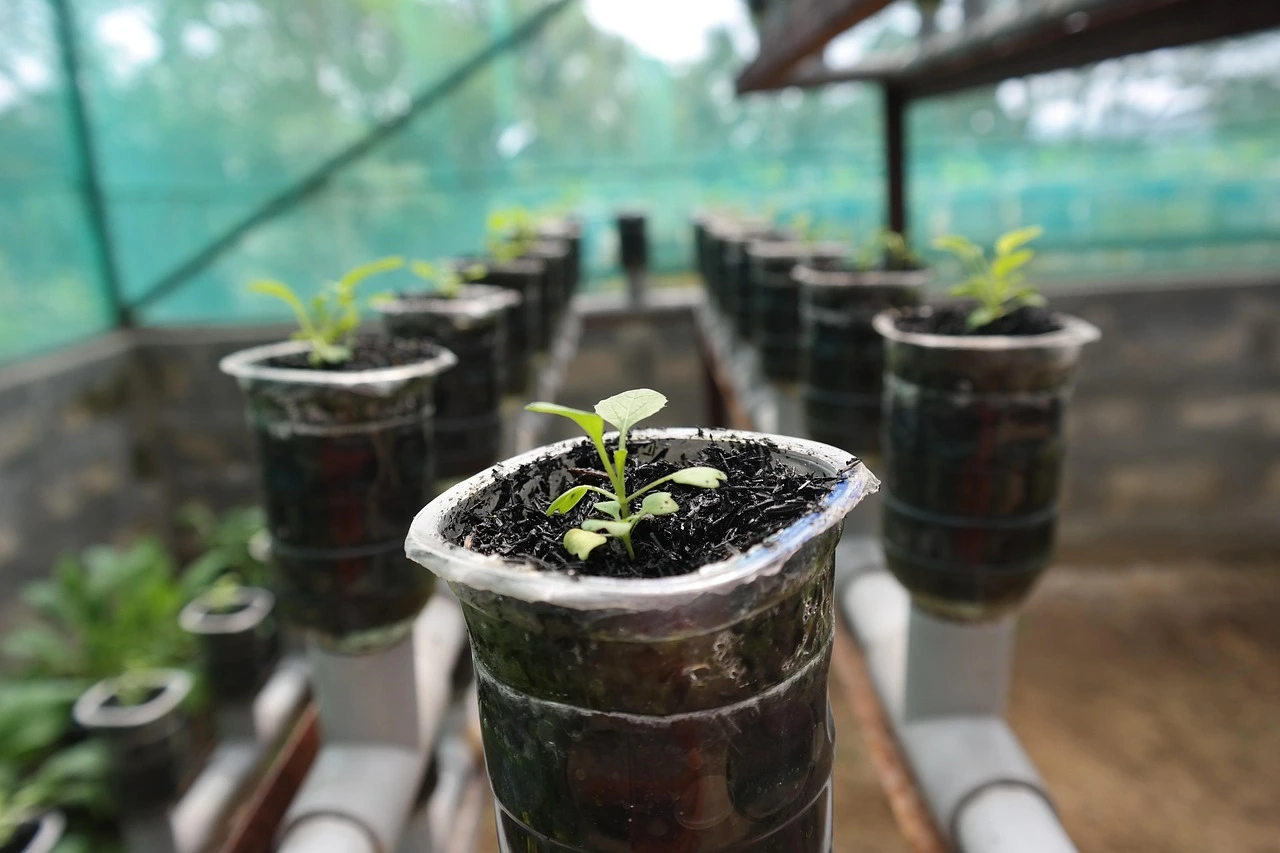
6 Types of Hydroponic Systems (Best for Balconies)
- Deep Water Culture (DWC) – Plants’ roots hang in oxygenated nutrient water. Simple and beginner-friendly.
- Kratky Method – Passive system needing no electricity; uses a water reservoir with a floating plant holder.
- Nutrient Film Technique (NFT) – Thin film of nutrient solution flows through channels; very space-efficient.
- Ebb and Flow – Floods and drains the growing tray periodically; versatile for many plants.
- Drip Systems – Nutrient solution drips onto roots; water-efficient and scalable.
- Wick Systems – Uses a wick to draw nutrients; ultra-simple but less efficient for larger plants.
Essential Components for Any System
Low-cost hydroponic systems are particularly suitable for urban gardening as they utilize vertical space, making them ideal for balconies. This method not only conserves water but also enhances yield per square foot, proving advantageous for city dwellers.
When selecting a system, look for low-cost hydroponic systems that are easy to assemble and maintain. Your choice can greatly impact the productivity of your balcony hydroponic garden.
By adopting low-cost hydroponic systems, you are not only saving money but also supporting sustainable gardening practices. This eco-friendly method can lead to healthier produce without the need for pesticides.
- Growing containers and reservoirs (e.g., mason jars, buckets, PVC pipes)
- Growing mediums like perlite, coconut coir, or rockwool to anchor roots
- Nutrient solutions (organic or synthetic) to supply plant nutrition
- pH and EC meters to monitor water quality and nutrient concentration
- Lighting: natural sunlight or artificial grow lights, especially in northern climates
- Air pumps and circulation to oxygenate water in active systems
5 Budget-Friendly DIY Hydroponic Systems Perfect for Balconies
1. Ultra-Simple Kratky Method in Mason Jars ($15-25)
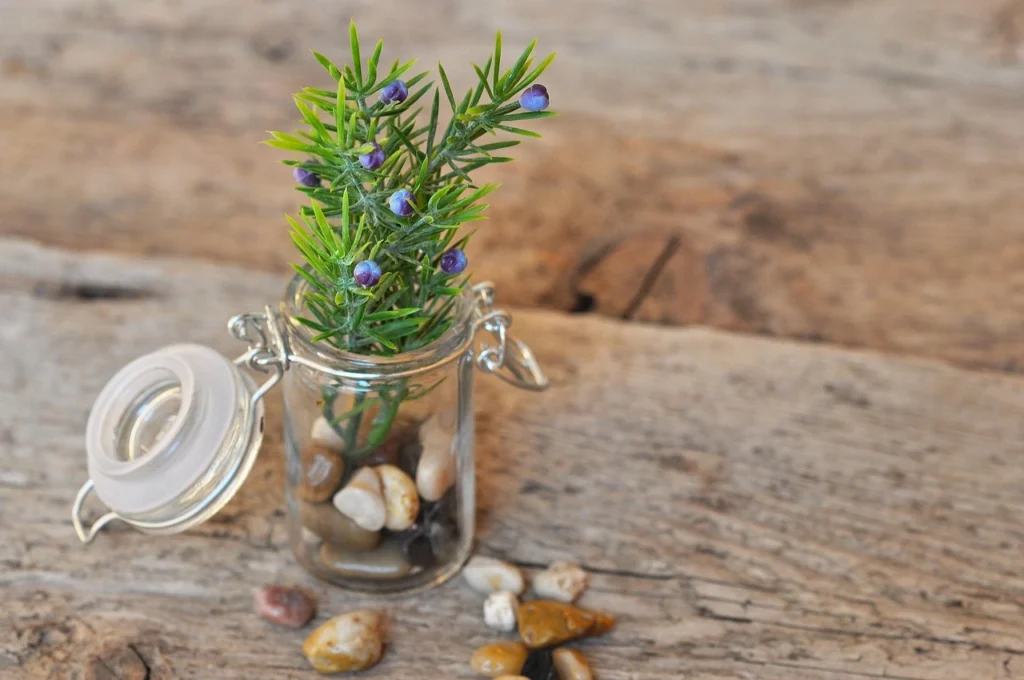
- Materials: Mason jars, net pots, coconut coir, low-cost hydroponic nutrients
- Instructions: Cut holes in jar lids to hold net pots; fill pots with medium and seeds; fill jar with nutrient solution.
- Best for: Leafy greens and herbs
- Maintenance: Refill water and nutrients every 1-2 weeks
- Yield: Harvest in 3-4 weeks
2. Deep Water Culture System Using Storage Containers ($25-40)
- Materials: Plastic storage container, air pump, air stone, net pots
- Assembly: Drill holes in lid for net pots; fill container with nutrient-rich water; oxygenate with air pump.
- Best for: Leafy greens, herbs; scalable for more plants
- Maintenance: Monitor pH and nutrient levels weekly
3. Vertical PVC Nutrient Film Technique Tower ($40-60)
The simplicity of low-cost hydroponic systems makes them accessible to everyone, regardless of gardening experience.
- Materials: PVC pipes, water pump, reservoir, tubing
- Design: Vertical tower with slanted PVC channels for nutrient flow
- Assembly: Drill holes spaced for plants; set up pump to circulate nutrient film
- Best for: Space-efficient growing of herbs, strawberries, small vegetables
4. 5-Gallon Bucket Drip Irrigation System ($30-50)
- Materials: Buckets, drip emitters, water pump, timer
- Setup: Nutrient solution bucket pumps water to drip emitters on plants
- Best for: Larger plants like tomatoes, peppers
- Maintenance: Adjust drip timing and nutrient strength
5. DIY Flood and Drain Table System ($50-80)
- Materials: Waterproof table, pump, timer, growing trays
- Function: Floods trays with nutrient solution then drains back to reservoir
- Best for: Multiple plant varieties; maximizes floor space
- Automation: Timers control watering cycles for convenience
Balcony Hydroponics in US vs. European Climates
US Climate Zones and Growing Seasons
- USDA hardiness zones influence plant choice and growing season length.
- Southern states allow longer outdoor growing; northern states benefit from grow lights.
- Apartment regulations vary by state; check for balcony weight limits and water use rules.
European Balcony Gardening Considerations
- Balcony use often governed by building management and local laws.
- Northern Europe faces lighting challenges; supplemental grow lights recommended.
- Mediterranean climates offer natural advantages for outdoor hydroponics.
- Brexit has affected supply chains, especially in the UK; plan for sourcing materials.
Year-Round Growing Strategies
- Use grow lights for winter growing in northern regions.
- Manage summer heat with shade cloths or ventilation.
- Protect plants from wind and cold with insulation or covers.
Best Plants for Low-Cost Balcony Hydroponic Systems
| Plant Category | Examples | Notes |
|---|---|---|
| Beginner | Lettuce, spinach, basil, cilantro, microgreens | Fast-growing, low maintenance |
| Intermediate | Cherry tomatoes, peppers, strawberries, cucumbers | Require more space and nutrients |
| Advanced | Full-size tomatoes, eggplant, melons | Need larger systems and more care |
- Use seasonal growing calendars for US and European zones.
- Practice companion planting to maximize space and pest control.
Complete Cost Analysis: Building Your System for Under $100
- Initial Setup Costs: Materials ($15-$80), seeds ($5-$15), nutrients ($10-$20), tools ($10-$30)
- Monthly Costs: Electricity ($5-$10), nutrients ($5-$15), water (minimal)
- ROI: Cost per pound of homegrown vegetables is often less than store-bought; break-even can occur within one growing season.
- Money-saving tips: Use recycled containers, buy nutrients in bulk, and opt for DIY components.
Step-by-Step Setup and Daily Maintenance
Getting your balcony hydroponic garden up and running and keeping it thriving requires careful initial setup and consistent, but often quick, daily and weekly routines.
Initial Setup:
- Balcony Space Assessment: Before you build, measure your balcony. Consider available floor space, wall space for vertical systems, and direct sunlight exposure. Sketch out where your system will go.
- Weight Considerations for Apartments: Hydroponic systems, especially when full of water, can be heavy. A gallon of water weighs approximately 8.3 lbs (3.78 kg), and a liter weighs 1 kg. A 20-gallon (75-liter) reservoir adds substantial weight. Check your lease agreement or consult your building management about balcony weight limits, particularly for larger systems or multiple units.
- Drainage and Waterproofing: Even if your system is mostly enclosed, splashes or leaks can occur. Place a waterproof mat or tray under your system to protect your balcony floor and the units below. Ensure proper drainage on your balcony itself to prevent standing water.
- Electrical Safety for Pumps/Lights: If using pumps or grow lights, ensure all electrical connections are safe and rated for outdoor or damp environments. Use GFCI (Ground Fault Circuit Interrupter) outlets for extra safety, especially in the US and countries like Germany and France where regulations are strict. Keep cords neatly organized and out of the way to prevent tripping hazards.
Daily/Weekly Maintenance:
Consistency is key for a healthy urban hydroponic gardening setup.
- pH and Nutrient Monitoring (Daily/Every Few Days):
- pH: Check your nutrient solution’s pH daily or every other day using a pH testing kit or digital meter. Most plants thrive in a pH range of 5.5-6.5. Adjust with “pH Up” or “pH Down” solutions as needed.
- Nutrient Levels (EC/TDS): If you have an EC meter, check nutrient concentration every few days. As plants consume nutrients, the EC will drop. Add more nutrient solution (or water if EC is too high) to maintain optimal levels.
- Water Level Checks (Daily/Every Few Days): Ensure your reservoir has enough nutrient solution. Top up with plain water as needed, especially in hot weather or for thirsty plants. Fully replace the nutrient solution every 1-2 weeks to prevent nutrient imbalances and pathogen buildup.
- Plant Inspection Routines (Daily):
- Check for Pests: Look for any signs of common balcony garden pests like aphids or spider mites. Address them immediately with organic pest control methods if possible.
- Inspect Leaves: Look for discolored leaves (yellowing, browning) which can indicate nutrient deficiencies or excesses. This is where your understanding of plant nutrition comes in handy.
- Root Health: In DWC systems, occasionally check the roots. They should look white or off-white and healthy, not brown or slimy.
- Harvesting Schedules: Harvest mature leaves or fruits regularly to encourage continuous growth and maximize your harvest yield.
Troubleshooting Common Problems:
- Nutrient Deficiencies: Yellowing leaves (nitrogen), purple stems (phosphorus), stunted growth. Check pH and EC levels, and ensure your nutrient solution is balanced.
- pH Fluctuations: Can be caused by water quality, plant uptake, or algae. Regular monitoring and adjustments are crucial.
- Algae Growth: Common in systems exposed to light. Use opaque reservoirs and cover any exposed nutrient solution to block light. Algae consumes nutrients and oxygen, competing with your plants.
- Pump Failures: Can be due to clogs, airlocks, or motor issues. Clean your pump regularly. Have a spare on hand if possible.
- Plant Diseases: While less common than in soil, fungal issues can occur. Ensure good air circulation around plants. Remove any diseased plant parts immediately.
Apartment and Balcony Regulations: US & European Guidelines
- US: Review lease agreements, HOA rules, weight limits, and water damage liability.
- Europe: Check building management rules, local health regulations, and neighbor considerations.
- Obtain landlord approval when necessary.
- Protect balcony surfaces and ensure safety for neighbors.
Conclusion
Starting a low-cost hydroponic system on your balcony is a practical, rewarding way to grow fresh vegetables and herbs year-round, even with limited space and budget. By choosing the right balcony hydroponic garden system and plants suited to your climate—whether in the US or Europe—you can enjoy higher yields, water savings, and cleaner gardening without soil mess. Begin with a simple DIY hydroponics setup like the Kratky mason jar system, and scale up as you gain confidence. Your balcony can become a green oasis that saves money and boosts your well-being.
FAQ
Q1: Can I use tap water for my hydroponic system?
A1: Yes, in most cases, tap water is acceptable. However, it’s best to let it sit out for 24 hours to allow chlorine to dissipate. If your tap water is very hard or has high mineral content, you might consider filtering it or adjusting your nutrient solution accordingly.
Q2: How often do I need to change the nutrient solution?
A2: For most small, low-cost hydroponic system setups, it’s recommended to change the entire nutrient solution every 1-2 weeks. This prevents nutrient imbalances and the buildup of pathogens.
Q3: Are hydroponic vegetables truly organic?
A3: The term “organic” typically refers to soil-based growing practices. In hydroponics, you can use “organic nutrient” solutions derived from natural sources, but the growing method itself is considered soilless gardening, not traditional organic farming.
Q4: How do I deal with pests on my balcony hydroponic plants?
A4: Because there’s no soil, many common soil-borne pests are avoided. For flying insects or those that might transfer from other plants, use organic pest control methods like neem oil spray, insecticidal soap, or introduce beneficial insects. Regular plant inspection is key.
**Q5: Can I grow fruits in a **balcony hydroponic garden?
A5: Yes! Many fruits like strawberries, cherry tomatoes, and small cucumbers are well-suited for small space hydroponics. Larger fruits like watermelons are more challenging due to their size and support needs, but dwarf varieties can sometimes be grown on very large, sturdy balconies.
For those willing to invest time and effort, low-cost hydroponic systems can become a rewarding hobby, yielding delicious fruits and vegetables right from your balcony.
As you explore the world of balcony gardening, remember that low-cost hydroponic systems are an efficient way to grow food. They provide a sustainable solution for urban living.
Understanding the components of low-cost hydroponic systems will help you choose the right setup for your balcony. Research and plan accordingly to ensure optimal growth conditions.
With low-cost hydroponic systems, your balcony can become a productive haven, yielding food with minimal effort.
In conclusion, low-cost hydroponic systems represent a viable solution for urban gardeners. By integrating these systems into your balcony setup, you can enjoy the pleasures of fresh, homegrown produce.
Ultimately, low-cost hydroponic systems are an investment in your health and well-being, allowing you to cultivate fresh food while embracing sustainable practices.
With low-cost hydroponic systems, your gardening dreams can become a reality, making urban living more sustainable and enjoyable.
Explore the flexibility of low-cost hydroponic systems to enhance your balcony gardening experience. Each setup can be tailored to fit your lifestyle and space constraints.
Additionally, low-cost hydroponic systems can contribute to healthier eating habits by providing easy access to fresh produce.
You can design your low-cost hydroponic systems to fit snugly into any corner of your balcony, capitalizing on every available space.
Your journey with low-cost hydroponic systems starts with understanding the basics of hydroponics and how it can work for you.
Low-cost hydroponic systems encourage experimentation, allowing you to learn and grow as a gardener while enjoying the harvest.
As you develop your skills with low-cost hydroponic systems, you’ll find joy in nurturing plants and watching them thrive.
Consider the benefits of low-cost hydroponic systems in your living space, as they provide environmental benefits alongside fresh food.
Ultimately, your investment in low-cost hydroponic systems will yield returns in both health and satisfaction.